
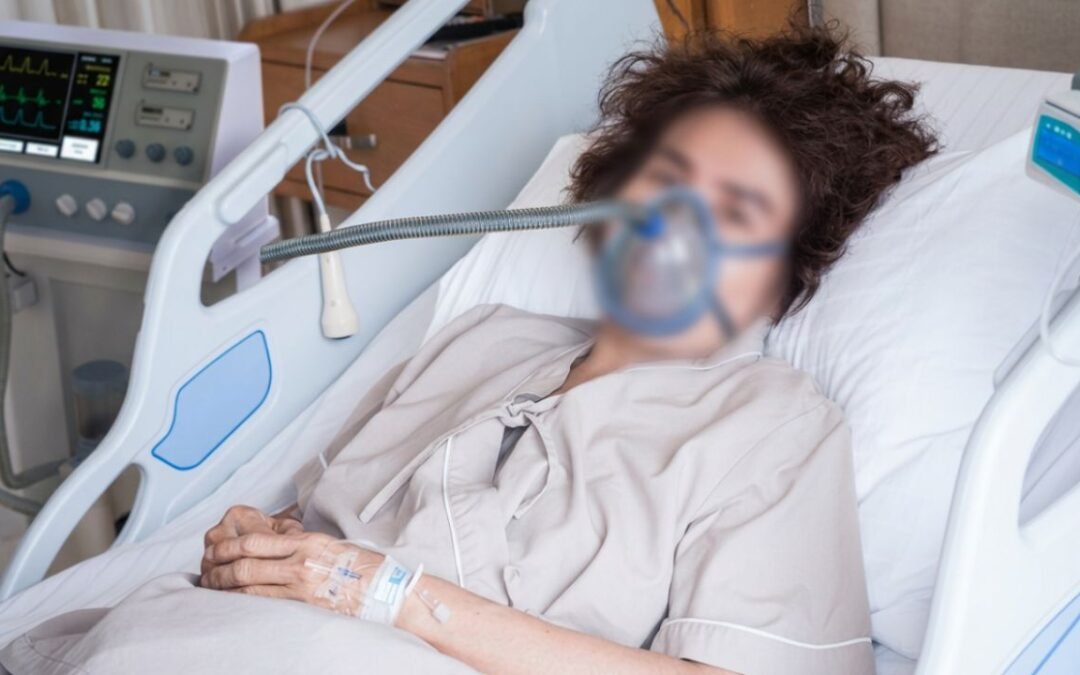
When a loved one is shifted to the ICU and the doctor mentions the word “Ventilator,” a wave of fear usually hits the family. A very common thought crosses everyone’s mind: “If someone goes on a ventilator, will they ever come back?”
At SV Super Speciality Hospital, our consultant Dr. Sandeep Mucherla wants to clear the air. Let’s break down the myths, look at how this machine actually saves lives, and understand why there is always hope.
The Big Misconception: “Is it the end?”
Let’s answer this straight away: No, it is not.
“Many people believe that being placed on a ventilator means there is no chance of recovery,” says Dr. Sandeep. “But that is a complete myth.”
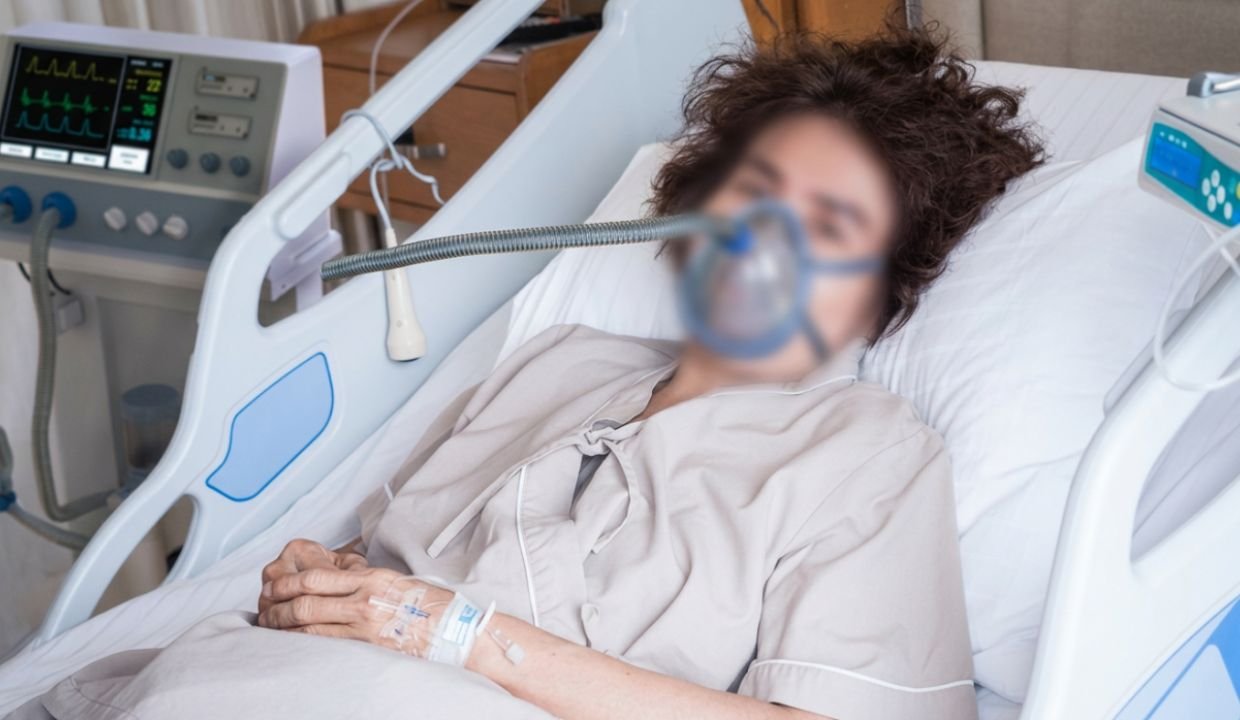
At our hospital, we have put patients of all ages on ventilator support—from tiny 1-year-old babies to 90-year-old elders—and successfully brought them back home to their families. In fact, just look at the 80-year-old grandmother currently in our ICU. She was very critical, but today she has recovered so well that we can safely remove the machine completely. Age or a critical state does not mean recovery is impossible.
Why does a patient need a ventilator?
A ventilator is simply a machine that supports a patient when their body is too weak to breathe on its own. We use it when:
- A patient comes to us in an unresponsive state (unconscious or unable to react).
- There is a severe lung infection making breathing difficult.
- Their oxygen levels are dropping rapidly.
- “Bad air” (carbon dioxide) builds up in the body, causing them to fall into a deep, unresponsive sleep.
- They suffer a medical emergency like a brain stroke.
The air we normally breathe only has 21% oxygen. The brilliant thing about a ventilator is that it can deliver up to 100% pure oxygen—that is 10 times more power to help a struggling body survive and heal.
What happens inside the ICU? (Round-the-Clock Care)
Putting a patient on a ventilator is only part of the battle. The real work happens in the intense, high-quality care that follows. To bring a patient back safely, our medical team performs strict routines every single day:
- Continuous Monitoring (ABG Testing): We perform regular blood tests to continuously monitor the exact oxygen and gas levels in the body.
- Frequent Cleaning (Suctioning): Every two hours, our nursing team cleans out the breathing tube so there are no blocks and the patient breathes smoothly.
- Proper Nutrition: We don’t neglect the body’s strength. We provide precise, balanced nutrition directly to keep the patient’s immune system fighting.
Moving from “Top” to “Least” Settings: The Journey Home
A ventilator is never meant to be permanent; it is a temporary bridge to recovery.
The machine runs on levels. When a patient is very sick, it starts on the top settings, doing most of the breathing work for them. As the infection clears and the muscles get stronger, we slowly dial it down to the least settings, letting the patient’s own lungs take over.
Once we see the patient is maintaining perfectly on the lowest support, we safely remove the pipe.
Dr. Sandeep’s Message to Families: Fear comes from a lack of understanding. A ventilator is not a sign of giving up—it is our strongest tool to give your loved ones the time, oxygen, and rest their body needs to fight back and win.